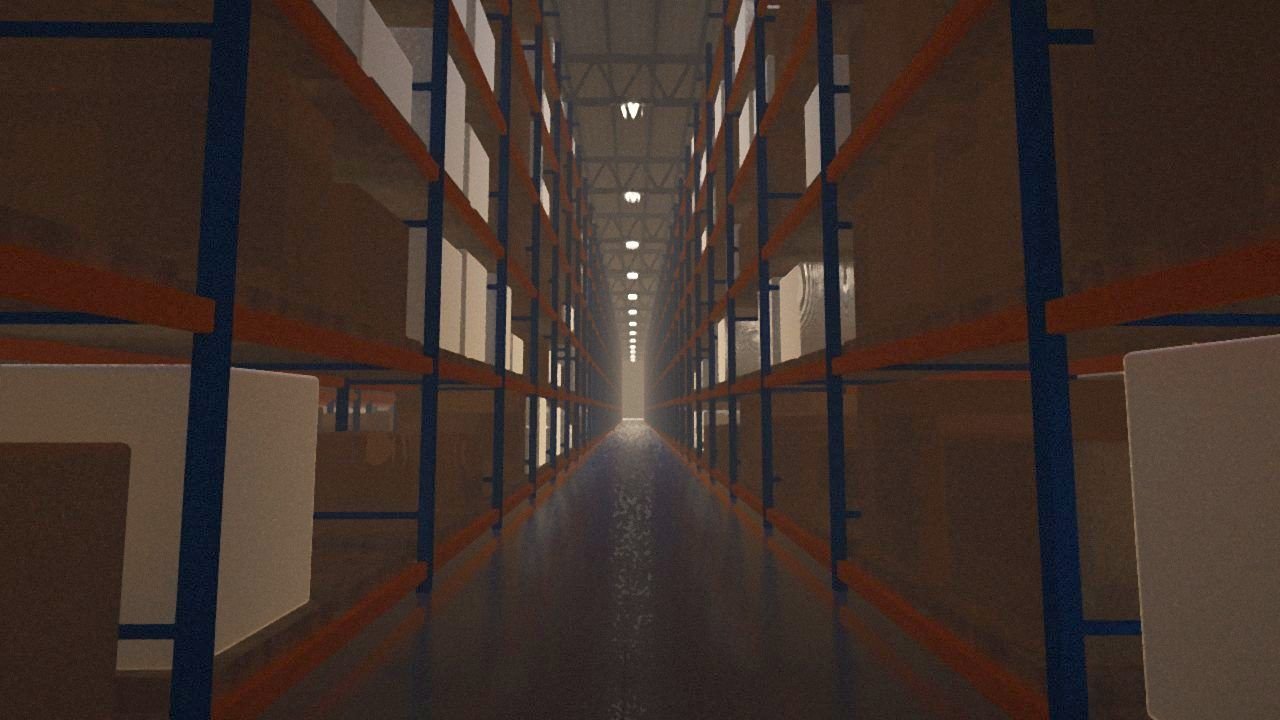
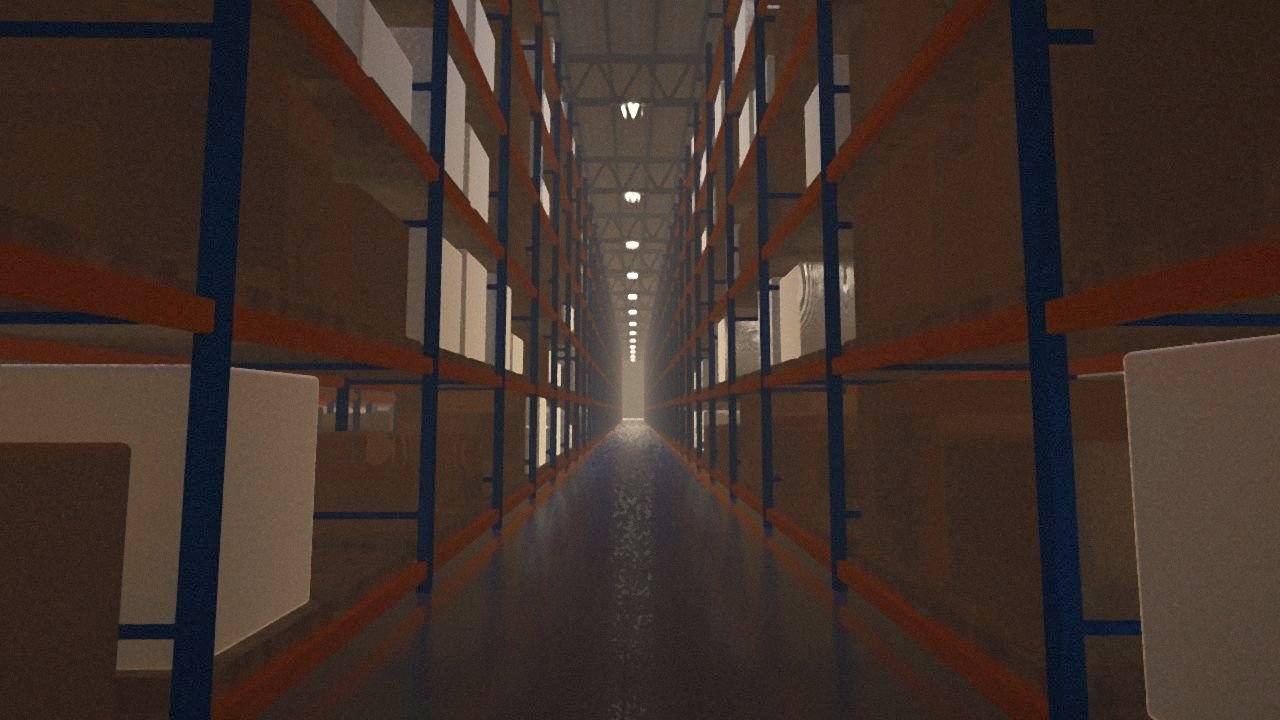
A racking system is a structure, not furniture. It carries tons of product over people and equipment, so the decisions made before fabrication decide how safe, flexible and productive the warehouse will be for years.
Un sistema de racks es una estructura, no un mueble. Sostiene toneladas de producto sobre personas y equipos, así que las decisiones previas a la fabricación definen qué tan seguro, flexible y productivo será el almacén durante años.
1. Start with the product and the flow
1. Empiece por el producto y el flujo
- Pallet size, weight and how it overhangs the beams
- How many SKUs you store and how fast each one moves
- Whether you need every pallet accessible (selective) or can store deep (drive-in, push-back)
- Expected growth over the next 3–5 years
- Tamaño, peso y voladizo de la tarima sobre las vigas
- Cuántos SKU almacena y con qué rotación
- Si necesita acceso a cada tarima (selectivo) o puede almacenar a profundidad (drive-in, push-back)
- Crecimiento esperado en los próximos 3–5 años
2. Match the aisles to your forklifts
2. Ajuste los pasillos a sus montacargas
Aisle width depends on the truck: counterbalance forklifts need the widest aisles, reach trucks less, and very-narrow-aisle (VNA) turret trucks the least, but VNA also needs guidance and a very flat floor. Choose the equipment and the racking together.
El ancho de pasillo depende del equipo: los montacargas de contrapeso requieren los pasillos más anchos, los reach trucks menos, y los equipos de pasillo muy angosto (VNA) los más estrechos, aunque estos exigen guía y un piso muy plano. Elija el equipo y los racks en conjunto.
3. Check the building
3. Revise el edificio
- Clear height under joists, sprinklers and lights
- Column grid and dock locations
- Slab thickness, strength and flatness under the upright base plates
- Sprinkler design: taller storage may need in-rack sprinklers or a higher-density system
- Altura libre bajo armaduras, rociadores y luminarias
- Retícula de columnas y ubicación de andenes
- Espesor, resistencia y planicidad de la losa bajo las placas base
- Diseño de rociadores: almacenaje más alto puede requerir rociadores dentro del rack o mayor densidad
4. Engineer to the standard
4. Diseñe conforme a la norma
In the United States, steel storage racks are designed to ANSI MH16.1, the specification published by the Rack Manufacturers Institute (RMI). Design covers beam and upright capacities, anchoring, and seismic loads where the site requires them. Every bay should carry a load plaque showing its rated capacity.
En Estados Unidos, los racks de acero se diseñan conforme a ANSI MH16.1, la especificación del Rack Manufacturers Institute (RMI). El diseño cubre capacidades de vigas y bastidores, anclaje y cargas sísmicas cuando el sitio lo exige. Cada claro debe llevar una placa de carga con su capacidad.
5. Plan for permits
5. Considere los permisos
Many jurisdictions treat tall rack storage as high-piled storage under the fire code and require a permit and fire-protection review before installation. Ask early; it can affect sprinkler upgrades and schedule.
Muchas jurisdicciones consideran el almacenaje alto en racks como almacenamiento de gran altura bajo el código de incendios y exigen permiso y revisión de protección contra incendio antes de instalar. Pregunte temprano; puede afectar rociadores y tiempos.
6. Protect the investment
6. Proteja la inversión
- Column guards and end-of-aisle protectors at forklift impact points
- Wire decking or pallet supports where loads require them
- Flue spaces kept open so sprinklers work
- A routine inspection program (see our rack safety checklist)
- Protectores de poste y de cabecera en puntos de impacto
- Parrilla o soportes de tarima donde la carga lo requiera
- Espacios de flujo libres para que funcionen los rociadores
- Un programa de inspección periódica (vea nuestra lista de seguridad de racks)